
Food: A Journey Through Health, Culture, and Everyday Life
Food is an essential part of everyday life. Every person needs food to obtain energy and nutrients, but its importance goes far beyond physical nourishment. Food is connected to family traditions, celebrations, culture, creativity, and social relationships. From a simple homemade breakfast to an elaborate dinner, food can influence how people feel, connect with others, and experience different cultures.
The Importance of Food
The primary purpose of food is to provide the body with energy and nutrients. A healthy diet can include a wide range of ingredients, such as fruits, vegetables, grains, beans, dairy products, meat, fish, eggs, nuts, and seeds. Different foods provide different nutrients, which is why variety is an important part of a balanced eating pattern.
Carbohydrates can provide energy for daily activities, while protein helps support body tissues. Fruits and vegetables are valuable sources of vitamins, minerals, and fiber. Healthy fats can also play an important role in a balanced diet. Rather than focusing on a single food, people can benefit from eating a diverse range of nutritious options.
Food and Healthy Living
Good food choices can be an important part of a healthy lifestyle. Regularly choosing nutritious meals and maintaining balanced eating habits can support energy levels and overall well-being.
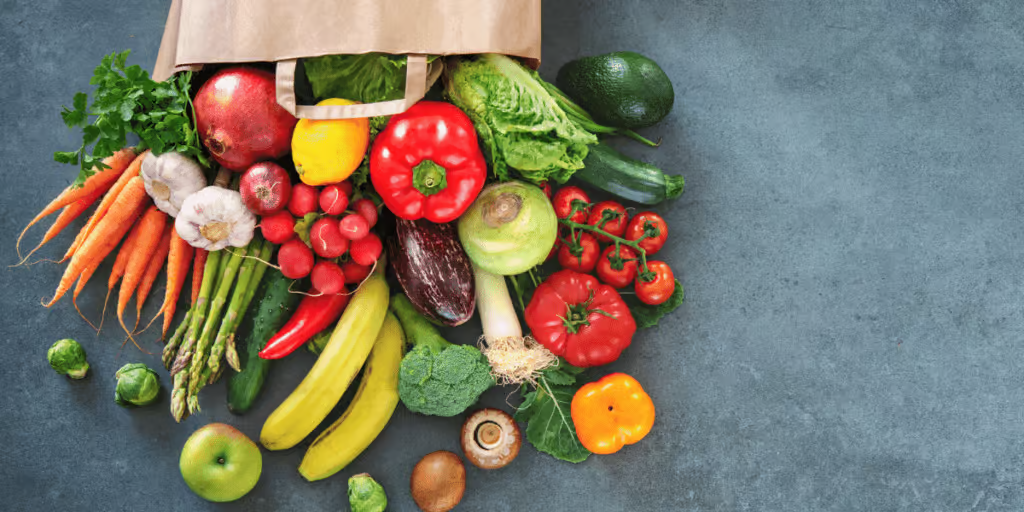
Fresh fruits and vegetables are popular choices because they provide many essential nutrients. Whole grains, legumes, lean protein sources, and other nutrient-rich foods can also contribute to a balanced diet. Drinking enough water is another important part of maintaining healthy habits.
However, healthy eating does not mean that people must completely avoid foods they enjoy. Occasional treats can be part of a balanced lifestyle. The key is to develop sustainable habits rather than following extreme or restrictive approaches.
Food as a Part of Culture
Food is one of the most powerful expressions of culture. Every country and community has its own traditional dishes, ingredients, cooking methods, and eating customs. These traditions often reflect local history, geography, climate, and available resources.
For many families, traditional food recipes are passed from parents and grandparents to younger generations. Preparing these dishes can preserve memories and strengthen connections between family members.
Food can also introduce people to cultures they have never experienced personally. Trying dishes from another country can provide an opportunity to discover new flavors, ingredients, and cooking techniques. International restaurants and food festivals make this cultural exchange easier than ever.
The Joy of Cooking
Cooking is another important part of the food experience. Preparing meals at home can be enjoyable, creative, and practical. Home cooking allows people to experiment with different ingredients and create meals according to their preferences.
Cooking can also be an opportunity to develop useful skills. Beginners can start with simple recipes and gradually learn techniques such as baking, grilling, steaming, roasting, and sautéing. As confidence grows, cooks can experiment with spices, sauces, and different cuisines.
For families, cooking together can become a meaningful activity. Children can learn about ingredients and basic kitchen skills while parents and other family members share time together.
Modern Food Trends
The food industry continues to change as consumer preferences evolve. Social media has made it easier for people to discover recipes, restaurants, cooking techniques, and new food products. A creative recipe can become popular worldwide within a short period of time.
Plant-based foods, international cuisine, convenient meal options, and homemade recipes have all attracted attention in recent years. Consumers are also becoming increasingly interested in ingredients, nutrition, food quality, and how products are made.
Technology has influenced food in other ways as well. Online ordering and delivery services have made it easier for people to enjoy restaurant meals at home. Digital recipes and cooking videos have also made culinary knowledge more accessible.
Reducing Food Waste
Food waste is an important issue around the world. A significant amount of food can be wasted because of overbuying, poor storage, large portions, or unused leftovers.
People can reduce waste by planning meals before shopping, storing food properly, checking what they already have at home, and finding creative ways to use leftovers. Buying realistic quantities can also prevent unnecessary waste.
Reducing food waste can save money while making household consumption more responsible. It also encourages people to appreciate the resources and effort involved in producing the food they eat.
Conclusion
Food is much more than something people eat when they are hungry. It provides nourishment, creates opportunities for connection, reflects cultural traditions, and inspires creativity. From preparing a family recipe to discovering a new international dish, food can make everyday life more enjoyable and meaningful.
By choosing a variety of nutritious foods, learning basic cooking skills, exploring different cuisines, and reducing unnecessary waste, people can develop a healthier and more positive relationship with food. As lifestyles and technology continue to change, food will remain an essential part of human health, culture, and community.
