
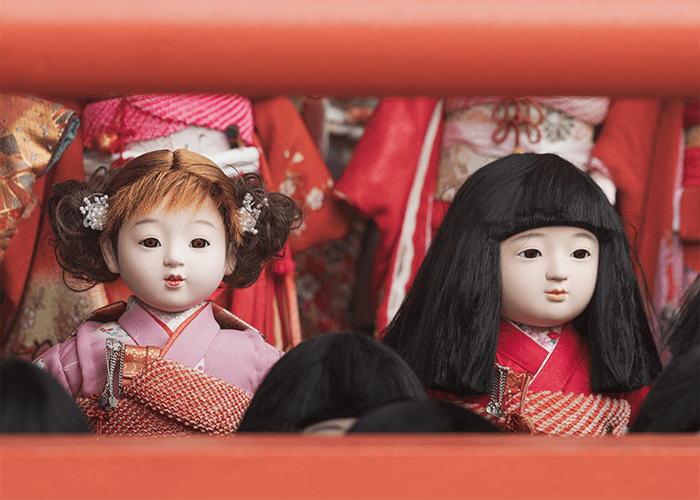

The phrase japan doll carries centuries of meaning shaped by ritual, artistry, and innovation. More than decorative objects, these dolls reflect Japan’s spiritual beliefs, social traditions, aesthetic values, and modern creativity. Whether displayed in family homes during festivals or collected by enthusiasts around the world, the japan doll represents a living tradition that continues to evolve without losing its cultural roots.
Early History and Symbolic Meaning
The earliest japan doll figures were connected to purification rituals. Simple human-shaped forms made from straw or paper were believed to carry away misfortune and illness. These dolls were often set afloat on rivers, symbolizing renewal and protection. Over time, the temporary ritual object transformed into a permanent artistic expression.
During Japan’s classical periods, dolls became more elaborate and refined. Aristocratic families commissioned artisans to create figures that mirrored court life. These early decorative dolls displayed fine clothing, delicate facial features, and careful posture. The japan doll gradually became associated with elegance, education, and cultural sophistication.
The Japan Doll in Festivals and Family Life
One of the most significant traditions involving the japan doll is Hina Matsuri, celebrated each year on March 3rd. Families display tiered arrangements of court dolls dressed in traditional attire. The emperor and empress dolls are placed at the top, followed by attendants and musicians. This display expresses wishes for a daughter’s happiness, safety, and success.
Another important observance is Children’s Day, when families may showcase warrior dolls representing strength and courage. Through these celebrations, the japan doll becomes more than decoration—it becomes a meaningful symbol of family hope and generational continuity.
Traditional Craftsmanship
Creating a traditional japan doll requires years of training and deep artistic discipline. The body is often carved from wood or molded from clay. The face is coated with a smooth white finish made from crushed oyster shells, giving it a refined glow. Fine brushes are used to paint subtle expressions, ensuring balance and grace.
Clothing is one of the most remarkable features. Miniature kimono are sewn using authentic fabric techniques. Layers are arranged carefully to maintain proper proportion and elegance. Hair is styled using silk threads or natural fibers, shaped into historically accurate forms.
Some regional styles have become internationally recognized. Kokeshi dolls, for example, are known for their simple cylindrical bodies and hand-painted floral patterns. In contrast, Kyoto-style dolls often feature luxurious fabrics and elaborate detail. This regional diversity adds richness to the japan doll tradition.
Modern Interpretations and Pop Culture Influence
In recent decades, the japan doll has expanded into global popular culture. Anime and manga have inspired a new generation of collectible dolls and figures. Characters from series like Demon Slayer: Kimetsu no Yaiba and One Piece are recreated with incredible precision using resin and vinyl materials.
These modern japan doll figures often feature articulated joints, interchangeable parts, and highly detailed costumes. Limited-edition releases and event exclusives create excitement among collectors worldwide. Online communities allow fans to share customization projects, photography, and display techniques, strengthening global appreciation.
The Japan Doll as Contemporary Art
Today, many artists use the japan doll as a medium for personal expression. Some reinterpret traditional forms with modern themes, while others experiment with abstract designs. Galleries and museums increasingly showcase both antique and contemporary dolls, recognizing them as sculptural artworks.
Certain master doll makers are honored for preserving traditional techniques. Their dedication ensures that centuries-old craftsmanship survives in a modern context. This balance between preservation and innovation keeps the japan doll culturally relevant.
Collecting and Care
Collectors of the japan doll often focus on authenticity, condition, and rarity. Antique dolls can hold significant historical value, while modern limited editions attract fans of contemporary culture. Proper care is essential—avoiding direct sunlight, controlling humidity, and using protective cases help maintain both appearance and value.
Documentation such as certificates of authenticity and original packaging can increase desirability among collectors. Whether vintage or modern, each japan doll represents a story rooted in artistry and cultural meaning.
Enduring Legacy
The japan doll has journeyed from sacred ritual object to globally admired collectible. Throughout its evolution, it has maintained a core identity centered on craftsmanship, symbolism, and storytelling. It reflects Japan’s dedication to detail, respect for tradition, and openness to creative transformation.
As international interest in Japanese culture continues to grow, the japan doll remains a timeless symbol of beauty and imagination. It stands as a miniature embodiment of Japan’s artistic heritage—carefully crafted, deeply meaningful, and endlessly captivating.