
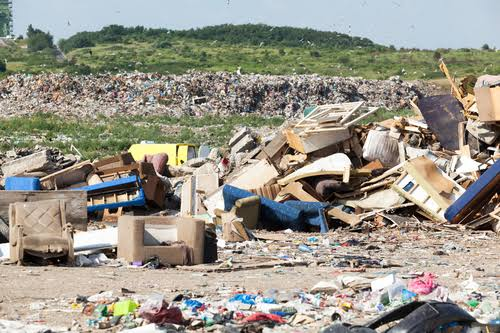
Sustainable Furniture Isn’t a Buzzword When 19 Million Pounds Never Hit the Landfill
You bought that bookshelf two years ago. Now the laminate peels and the shelf sags in the middle. You drag it to the curb knowing it heads straight to a landfill.
You are not alone. Millions of tons of furniture get tossed every year because it was built to fail. This post shows you how buying pre-owned flips that cycle. It also challenges two myths that keep people stuck on disposable furniture.
19 million pounds diverted from landfills. 101 million pounds of CO2 reduced. 1.3 billion gallons of water saved. 2.3 million trees saved. Those are not projections. They are cumulative reuse-impact figures from a marketplace that tracks what happens when sustainable furniture stays in circulation instead of heading to the dump.
Is “Sustainable Furniture” Just a Marketing Label?
Most green claims on furniture tags mean nothing. Terms like “eco-conscious” and “responsibly sourced” have no legal definition. You cannot verify them.
Pre-owned furniture solves that problem. Every piece of sustainable furniture you buy secondhand keeps one new item from being manufactured. That is measurable. No green certification required.
The “Greenwashing” Myth
What you hear: “This particleboard dresser uses 30 percent recycled content.”
The truth: That dresser still falls apart in three years. The recycled content claim hides the fact that it cannot be repaired. You toss it and buy another. The label was marketing, not sustainability.
Real eco-friendly furniture lasts. Solid wood pieces from decades ago outlive anything sold at big-box stores today. Scratches buff out. Cushions get reupholstered. The frame stays.
The “One Person Can’t Matter” Myth
What you hear: “My one sofa purchase does not change anything.”
The truth: Your choices stack. Every pre-owned dining table you buy keeps solid wood in use and out of the landfill. Multiply that across a household. Multiply that across a neighborhood. The 19-million-pound figure did not come from one buyer. It came from thousands of individual decisions.
The secondhand market proves that individual actions compound. When you buy eco-friendly furniture that already exists, you subtract demand for new manufacturing. That subtraction adds up.
What Does Life Look Like Before and After Choosing Pre-Owned?
Buying pre-owned changes your relationship with furniture. You stop treating pieces as disposable. You start seeing them as keepers.
Before: You scroll big-box sites for the cheapest option. It arrives in a flat pack. Assembly takes an hour. Within a year, the veneer chips. You live with it until you cannot stand it. Then you haul it to the dump.
After: You browse curated, inspected secondhand pieces. Flaws are disclosed on each listing. You know what you are getting. The piece has already off-gassed most VOCs. It holds its value. When you are done with it, you sell it to someone else.
Before: You assume sustainable choices mean sacrificing style or convenience. You picture thrift-store chaos. You brace for a hunt.
After: You search online with filters. New items arrive daily. You see real photos of real pieces. You arrange flat-fee local delivery or nationwide shipping. The sustainable option is the convenient one.
Does Choosing Pre-Owned Actually Save Money?
Yes, and the savings are not small. A West Elm desk that retails for $500 to $1,500 new sells for $50 to $200 secondhand. A Stressless leather loveseat that costs $3,495 new goes for $1,930 pre-owned. An Ashley loveseat drops from up to $700 new to as low as $49.
These are verified prices from a real secondhand marketplace. The inventory includes pieces at every price point. You find functional furniture at a fraction of retail cost. The quality often exceeds what you would get buying new at the same price.
Cosmetic flaws do not mean broken. Scratches buff out. Cushions can be reupholstered. You pay less for a piece that lasts longer. That is circular design furniture in practice, not on a label.
Frequently Asked Questions
What does “sustainable furniture” mean?
Sustainable furniture stays in use instead of heading to a landfill. It is built to last, made from materials that do not deplete resources, or bought secondhand so no new manufacturing is required. Pre-owned furniture meets all three criteria without needing a certification.
Is sustainable furniture more expensive?
It is often cheaper. A secondhand West Elm desk costs $50 to $200 versus $500 to $1,500 new. You pay less upfront and get a piece that has already proven its durability. The long-term cost is lower because you are not replacing it every few years.
What type of furniture is the most sustainable?
Solid wood furniture built before the era of fast furniture. These pieces use joinery instead of glue and staples. They can be repaired, refinished, and resold indefinitely. If you want modern styles, inspected secondhand pieces from a marketplace like Reperch give you the same circular benefit without hunting through thrift stores.
Can I return secondhand furniture if it does not work out?
Most reputable secondhand marketplaces offer return policies. You typically get a seven-day window to decide. Items sell as-is with disclosed flaws, so read the listing carefully before buying. Many sellers also accept offers, which means you can negotiate on price.
Fast furniture costs more than the price tag. Every particleboard bookshelf you buy and toss within two years feeds a cycle that burns through trees, water, and energy. The manufacturing chain behind a single cheap dresser consumes raw materials that took decades to grow. Those materials go into a product designed to fail. That product goes into a hole in the ground.
The environmental math gets worse when you consider volume. Households discard furniture by the truckload every year. Most of it is not recycled. Most of it sits in landfills releasing methane as synthetic materials break down over decades. You pay for this cycle three times: at the register, through disposal costs, and in the environmental debt that keeps compounding.
Buying pre-owned breaks every link in that chain. You stop funding manufacturers who design for obsolescence. You keep working furniture in circulation. You subtract your share of the nineteen million pounds already diverted and add to the next million. The cumulative numbers are not theoretical. They are tracked, verified, and growing.
You do not need to furnish your whole home with antiques. Start with one piece. Replace your next flat-pack purchase with a pre-owned alternative. That single decision joins thousands of others pushing the same direction. The landfill does not care about your intentions. It only cares what you actually throw away.