
The word slot carries a weight far beyond its simple four-letter structure. In the world of technology, gaming, and even linguistics, it represents a specific space—a designated opening or a moment in time designed for a singular purpose. While most modern minds immediately jump to the flashing lights of a casino floor, the story of the slot is one of engineering ingenuity and the human fascination with “filling the gap.”
A Brief History: The Mechanical Marvels
The journey began in the late 19th century. The first recognizable slot machine, the Liberty Bell, was a masterpiece of cast iron and clockwork. Invented by Charles Fey in 1895, these machines relied on physical gears and levers. When a player pulled the handle, they weren’t just playing a game; they were engaging with a mechanical ecosystem where the physical alignment of symbols determined their fate.
Back then, the “slot” was literal—a narrow aperture in the metal casing designed to accept a single nickel. This physical interaction created a tactile connection between the user and the machine, a sensation that remains a nostalgic benchmark for enthusiasts today.
The Digital Shift: Software and RNG
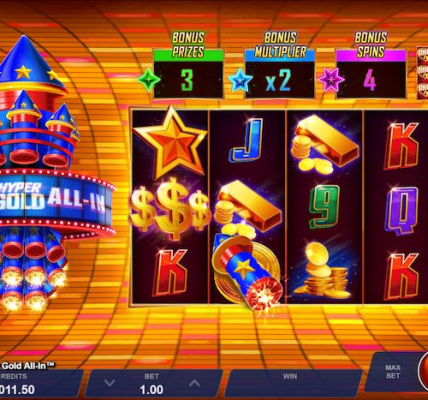
As we transitioned into the late 20th century, the slot underwent a radical transformation. The mechanical reels were replaced by video screens, and the physical gears gave way to the Random Number Generator (RNG).
In this digital era, the “slot” became a virtual concept. Software developers could now create games with thousands of paylines, intricate bonus rounds, and cinematic animations. The math behind the experience became more complex, utilizing equations to ensure fairness and house edge:
$$P(win) = \frac{\text{Number of Winning Combinations}}{\text{Total Number of Possible Combinations}}$$
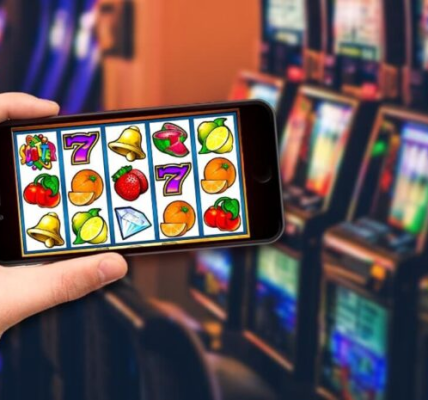
This transition allowed for the birth of online slots, accessible from anywhere in the world. No longer bound by the physical constraints of a wooden cabinet, these games expanded into themes ranging from ancient mythology to futuristic sci-fi, proving that the core appeal of the “spin” is universal.
Beyond Gaming: The Slot in Technology
Outside the realm of entertainment, the term slot is a fundamental pillar of computer architecture and logistics.
- Hardware Expansion: If you’ve ever looked inside a PC, you’ve seen PCIe slots. these are standardized connection points that allow a motherboard to communicate with graphics cards or storage drives.
- Aviation and Logistics: In the airline industry, a “landing slot” is a precious commodity. It represents a specific window of time allocated for an aircraft to take off or land at a congested airport.
- Web Development: In modern coding frameworks like Vue or React, a slot is a placeholder within a component that allows developers to inject custom content, making software more modular and reusable.
The Psychology of the “Near Miss”
Why does the slot format remain so addictive and engaging? Psychologists point to a phenomenon known as “variable ratio reinforcement.” Unlike a task that gives a predictable reward, the slot provides rewards at unpredictable intervals.
This creates a high level of engagement. When a player sees two matching symbols and the third one lands just a millimeter off, the brain processes this “near miss” not as a loss, but as an incentive to try again. It’s the thrill of the “empty slot” waiting to be filled with the right result.
Conclusion: The Future is Multi-Dimensional
Today, the slot continues to evolve. With the rise of Virtual Reality (VR) and Augmented Reality (AR), we are seeing the emergence of immersive environments where the game isn’t just on a screen—it’s all around you. Whether it’s a time slot in a busy calendar, a hardware port in a server, or a spinning reel in a mobile app, the concept of the slot remains a defining feature of how we organize our world and our leisure.
The gear may have turned into code, and the nickel into a digital token, but the excitement of seeing what falls into that slot remains unchanged.