The Evolution of Mobile Entertainment: How Architecture and UX Define Modern Online Gaming

Over the past decade, the digital entertainment landscape has undergone a profound structural shift. What was once a desktop-centric ecosystem dominated by static web interfaces has transformed into a fluid, multi-device experience powered by advanced cloud infrastructure, real-time data streaming, and refined user interface (UI) design. Modern consumers no longer view digital gaming and online entertainment as isolated activities; instead, they expect seamless access, high performance, and robust security regardless of the platform or device they choose to use.
This evolution is particularly evident across Asia and emerging digital markets, where mobile-first consumer habits have forced developers and platform architects to rethink traditional software delivery. To remain competitive, modern entertainment platforms must balance complex back-end operations—such as handling high-concurrency traffic and securing real-time transactions—with intuitive front-end navigation. Examining the technical and architectural trends driving this sector reveals how platform design, cross-device integration, and user-centric features shape today’s digital gaming environment.
Technical Foundations of Modern Digital Gaming Platforms
At the core of any high-traffic entertainment portal lies a modern technological stack designed for performance, scaling, and uptime. Unlike standard content websites, interactive gaming environments must process thousands of simultaneous inputs per second, stream high-definition live video feeds with minimal latency, and maintain synchronized state changes across diverse geographic locations.
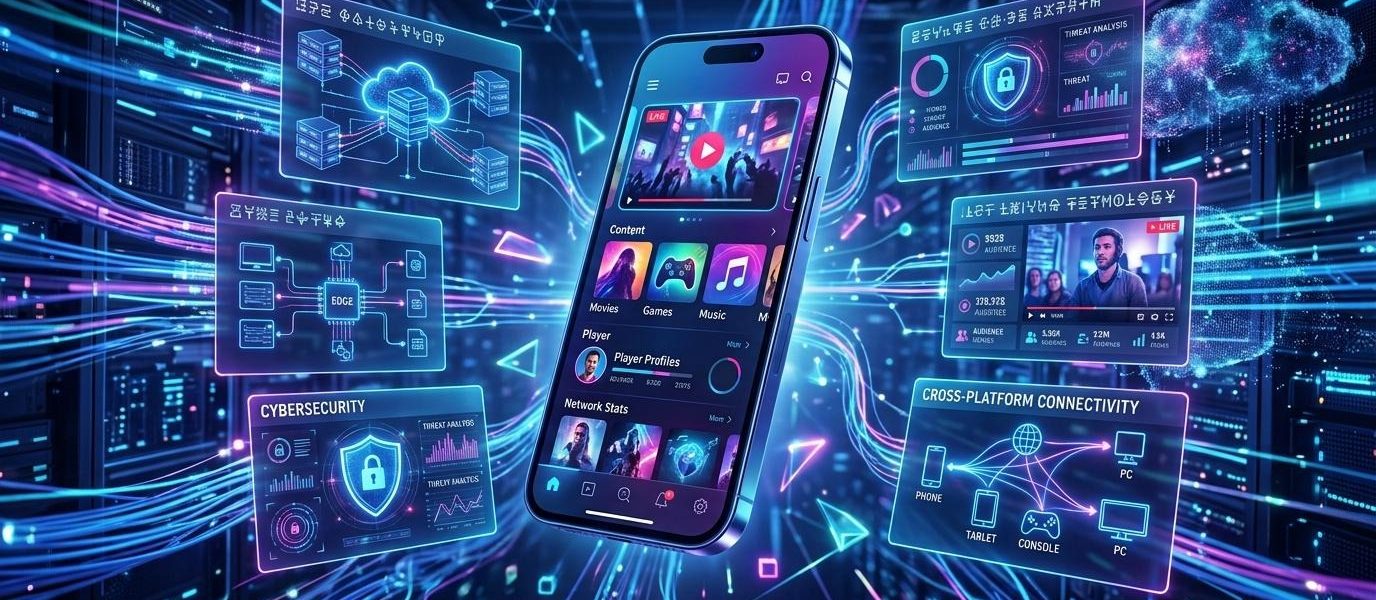
To achieve this level of performance, engineering teams rely heavily on microservices architecture. By decoupling distinct services—such as user authentication, session management, transaction processing, and live content delivery—operators can scale specific components independently during peak traffic periods without overloading the entire system. Furthermore, the integration of Content Delivery Networks (CDNs) ensures that static assets and dynamic content are cached closer to end users, drastically reducing latency and load times.
Data security remains another critical pillar of platform architecture. Modern entertainment hubs employ end-to-end TLS encryption, multi-factor authentication protocols, and sophisticated fraud detection algorithms powered by machine learning. These security measures operate continuously in the background, safeguarding user data and financial interactions without introducing unnecessary friction into the browsing experience.
User Experience and the Shift Toward Mobile Optimization
While backend infrastructure ensures stability and speed, user retention depends heavily on the quality of the front-end user experience (UX). Today’s digital consumers possess little tolerance for clunky navigation, slow load times, or non-responsive layouts. As a result, progressive web design and native mobile application development have become central to platform success.
Mobile optimization is no longer simply about scaling down a desktop website to fit a smartphone screen. It requires a complete redesign of the user journey, prioritizing touch-friendly navigation, streamlined menus, and optimized asset loading. Key components of modern platform UX include:
- Fluid Navigation: Intuitive categorization allowing users to switch between different content verticals, such as live interactive streaming and digital slot games, with minimal taps.
- Biometric Authentication: Utilizing device-native capabilities like fingerprint scanners and facial recognition to simplify access while enhancing account security.
- Adaptive Bitrate Streaming: Automatically adjusting video quality in real time based on the user’s network conditions to prevent buffering during live interactions.
- Minimalist Interface Layouts: Removing visual clutter to focus attention on core gameplay and interactive features.
By prioritizing these design principles, platforms create an engaging environment that feels natural on devices of all screen sizes. This emphasis on usability ensures that whether a user accesses a platform via a web browser or a dedicated application, the interaction remains smooth and predictable.
Infrastructure Management and Streamlined Access Solutions
As digital entertainment networks expand, managing user access across diverse network environments presents a continuous challenge. Internet service providers, regional network configurations, and varying connectivity speeds can sometimes disrupt direct traffic pathways, leading to latency or localized connectivity issues. To mitigate these disruptions, enterprise platforms maintain distributed network architecture and secondary routing entry points.
These alternative access nodes ensure uninterrupted service availability by dynamically redirecting traffic to optimal servers based on geographical proximity and current network load. For instance, players seeking stable platform access often utilize specialized entry paths, such as the direct M88 link, which routes connection traffic through optimized servers to preserve interface display quality and maintain secure session continuity across both web browsers and mobile application environments.
From a systems engineering perspective, maintaining these secondary access points requires rigorous synchronization. Session persistence protocols ensure that user states, account settings, and ongoing interactions remain continuous, even if a user switches connection paths mid-session. This seamless backend transition is vital for maintaining user trust and operational integrity in high-volume digital environments.
Content Diversification: From Live Streams to Digital Slots
The modern online entertainment portfolio has expanded significantly beyond traditional interactive formats. Today’s platforms cater to a broad demographic by offering diverse gaming categories, each built on distinct software engines and design philosophies.
One major vertical includes One major vertical includes live casino and real-time interactive streaming. Powered by low-latency WebRTC technology, these environments allow users to engage with live hosts and physical game setups in real time. The integration of high-definition cameras, optical character recognition (OCR) software, and instant data processing creates an immersive bridge between physical entertainment venues and digital screens.
Conversely, digital RNG (Random Number Generator) titles, including modern M88 slot offerings and interactive casual games, rely on complex mathematical models and graphics engines. Modern titles incorporate rich storylines, dynamic audio, and varied mechanical frameworks—such as cascading reels, expanding wild mechanics, and progressive payout structures—to keep users engaged. The fair operation of these RNG systems is regularly audited by independent third-party testing laboratories to ensure compliance with international gaming standards.
| Category | Primary Technology | Key UX Focus | Performance Metric |
|---|---|---|---|
| Live Interactive Streams | WebRTC, High-Bandwidth Video APIs | Real-time engagement, low latency | Sub-second stream delay |
| RNG Digital Games | HTML5, Math Engine / RNG Algorithms | Fast assets loading, smooth animations | High frames-per-second (FPS) |
| Platform Portals | Microservices, Cloud CDNs | Fast search, quick quick M88 login protocols | Page load time under 2 seconds |
The Role of Responsible Gaming in Digital Ecosystems
As the accessibility of mobile gaming and digital entertainment increases, the industry has placed greater emphasis on sustainable user engagement and responsible gaming frameworks. High-authority platforms recognize that long-term operational viability relies on fostering a safe environment where users can manage their activity effectively.
Modern software frameworks now integrate automated responsible gaming tools directly into the user account dashboard. These features include customizable deposit limits, session time reminders, cooling-off periods, and self-exclusion mechanisms. Additionally, advanced data analytics tools can monitor playing patterns to identify signs of potential problem behavior, automatically triggering helpful resources or system prompts to encourage balanced usage.
By embedding social responsibility directly into the platform architecture, operators establish higher standards of integrity, building stronger, trust-based relationships with their community while meeting evolving international regulatory standards.
The Future of Digital Entertainment Architecture
Looking ahead, the convergence of emerging technologies promises to reshape the mobile entertainment experience further. The rollout of 5G networks provides the bandwidth and ultra-low latency necessary to make complex cloud-based gaming and high-resolution spatial streaming standard across mobile devices. Furthermore, potential integration with augmented reality (AR) and artificial intelligence (AI) will enable hyper-personalized user interfaces that adapt dynamically to individual player preferences.
Ultimately, the platforms that thrive in this competitive landscape will be those that prioritize underlying engineering excellence and user experience above all else. By investing in resilient microservice architecture, intuitive mobile design, secure access routing, and responsible gaming practices, modern digital entertainment providers set a high benchmark for software performance and digital content delivery.