

Luxury has evolved far beyond discount designer brands online glittering chandeliers, designer labels, and exclusive memberships. In today’s fast-moving world, modern luxury represents a lifestyle shaped by sophistication, innovation, personalization, and meaningful experiences. Across continents and cultures, people are redefining what it means to live luxuriously. The global destination for modern luxury is no longer limited to one city, one brand, or one elite group—it is a worldwide movement that combines elegance with authenticity, technology with comfort, and exclusivity with sustainability.
Modern luxury begins with experience. Travelers, consumers, and global citizens are increasingly seeking moments that create emotional value rather than simply displaying wealth. Five-star hotels, private resorts, luxury fashion houses, gourmet dining, and premium travel services are now focused on delivering personalized experiences tailored to individual lifestyles. A luxury destination today is measured not only by its beauty or prestige but also by how deeply it connects with people’s desires, values, and identities.
Cities such as Dubai, Paris, Milan, Singapore, New York, and Tokyo have become symbols of modern luxury because they blend heritage with innovation. Dubai showcases futuristic architecture, world-class hospitality, and extravagant shopping experiences. Paris continues to embody timeless elegance through fashion, art, and fine cuisine. Milan remains a global capital for luxury design and craftsmanship, while Tokyo represents the perfect balance between minimalism, precision, and technological advancement. These cities attract millions of visitors every year who seek refined experiences that combine culture, comfort, and exclusivity.
Technology has also transformed the luxury industry in remarkable ways. Artificial intelligence, virtual reality, and digital personalization are reshaping how luxury brands communicate with consumers. High-end retailers now use advanced data systems to understand customer preferences and create unique shopping journeys. Luxury consumers can enjoy virtual fashion shows, personalized recommendations, smart hotel services, and seamless online experiences from anywhere in the world. The rise of digital luxury has made exclusivity more accessible while maintaining the prestige associated with premium lifestyles.
Another important feature of modern luxury is sustainability. Today’s luxury consumers are more conscious of environmental and social responsibility. They are choosing brands that value ethical production, eco-friendly materials, and fair labor practices. Luxury no longer means excess without responsibility. Instead, it reflects quality, longevity, and mindful consumption. Sustainable fashion brands, eco-resorts, electric luxury vehicles, and environmentally conscious architecture are becoming central to the future of luxury living. Consumers now appreciate products and experiences that not only look beautiful but also contribute positively to the planet.
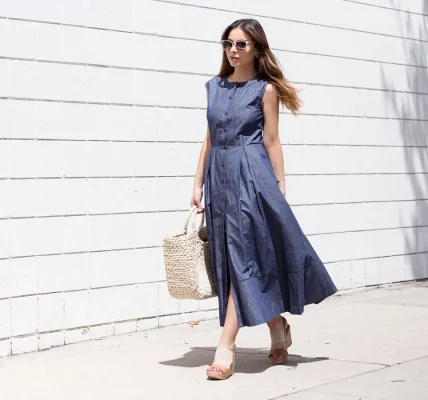
Fashion remains one of the strongest expressions of modern luxury. International luxury houses continue to influence global culture through innovation, creativity, and craftsmanship. However, modern consumers are moving beyond traditional status symbols. They are embracing individuality, timeless style, and functional elegance. Luxury fashion today includes custom tailoring, sustainable collections, and digital fashion experiences. Social media has also expanded the reach of luxury culture, allowing brands to connect with younger audiences across the world. Influencers, celebrities, and creators play a major role in shaping modern luxury trends and inspiring new generations of consumers.
Travel and hospitality are equally significant in defining global luxury. Luxury travel is no longer just about expensive accommodations; it is about unique and unforgettable experiences. Private island retreats, wellness resorts, cultural immersion tours, and personalized adventure travel are increasingly popular among affluent travelers. Modern luxury travelers seek privacy, authenticity, and emotional fulfillment. They want to experience local culture while enjoying exceptional comfort and service. As a result, luxury hospitality brands are investing heavily in personalized guest experiences, wellness programs, and sustainable tourism practices.
Food and dining have also become essential elements of luxury culture. Michelin-starred restaurants, celebrity chefs, and exclusive culinary experiences attract travelers from around the world. Fine dining today combines artistic presentation, innovative techniques, and locally sourced ingredients to create unforgettable moments. Luxury consumers value authenticity and craftsmanship in cuisine just as much as they do in fashion or travel. Culinary tourism has therefore become an important part of the global luxury industry, with food festivals and gourmet destinations attracting international attention.
Wellness is another defining aspect of modern luxury. In the past, luxury often focused on material possessions, but today many people consider health, peace of mind, and personal well-being to be the ultimate luxuries. High-end wellness retreats, spa experiences, meditation programs, and holistic health services are now central to luxury lifestyles. The modern luxury consumer values balance, mindfulness, and self-care. This shift reflects a broader cultural movement toward meaningful living and emotional well-being.
The influence of globalization has also expanded the definition of luxury. Consumers from Asia, the Middle East, Africa, and Latin America are increasingly shaping global luxury trends. Luxury brands are adapting to diverse cultural preferences and creating experiences that resonate with international audiences. This cultural exchange has enriched the luxury industry and encouraged innovation across markets. Modern luxury is now more inclusive and globally connected than ever before.
Social media and digital culture have further transformed how luxury is perceived and consumed. Platforms such as Instagram, TikTok, and YouTube allow luxury brands to showcase their products and lifestyles to millions of people instantly. Visual storytelling, influencer collaborations, and immersive digital campaigns have become essential marketing tools. At the same time, consumers are demanding authenticity and transparency from luxury brands. They want stories, values, and emotional connections rather than simple advertising.
The future of modern luxury will continue to evolve as technology, sustainability, and consumer values change. Artificial intelligence, virtual experiences, and digital fashion may redefine the meaning of exclusivity. Sustainable innovation will likely become even more important, influencing everything from luxury travel to architecture and design. Younger generations, particularly Millennials and Generation Z, are expected to drive many of these changes by prioritizing authenticity, ethics, and personalization over traditional symbols of wealth.
Ultimately, the global destination for modern luxury is not a single location—it is a mindset and lifestyle built around quality, innovation, individuality, and meaningful experiences. Modern luxury celebrates elegance while embracing progress, cultural diversity, and sustainability. It is about living with intention, appreciating craftsmanship, and creating moments that enrich life. As the world becomes more connected and dynamic, modern luxury will continue to inspire people to seek beauty, comfort, and purpose in every aspect of their lives.